Water Extraction in Canoga Park, CA
Standing water on a Canoga Park slab keeps wicking into baseboards, cabinets and drywall until it is pulled out. The extraction crew removes it with truck-mounted suction so the drying can start.
(888) 578-6508Water on the floor? Start extraction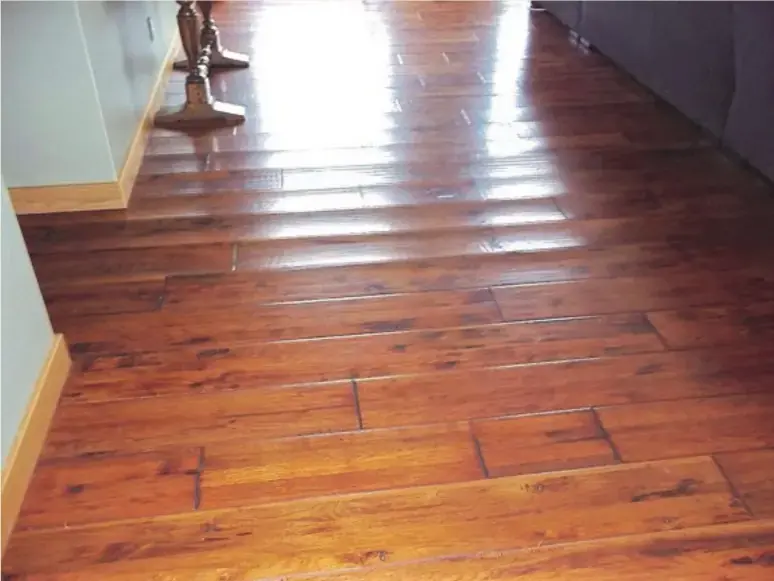
First steps while the water is still standing
Stop the source
Close the fixture valve or the main shutoff, usually near the front hose bib or in the meter box by the curb.
Kill wet circuits
Switch off breakers for wet rooms, but only while standing on a dry floor at a dry panel.
Photograph everything
Shoot each wet room and the water line on walls before anything moves.
Lift what you can
Move rugs, electronics and furniture legs off the wet floor and onto blocks or foil.
Keep people out
Keep kids and pets away from standing water near outlets and power strips.
What does water extraction cost in Canoga Park, CA?
In Canoga Park, CA, water extraction and the drying that follows typically run $600 to $4,500, depending on how many rooms are wet, the water category and whether water got under flooring.
One room, caught early
$600 to $1,500- Surface water on tile or sealed floor
- Carpet extracted in place
- Two to three days of drying
Several rooms
$1,500 to $3,000- Carpet pad pulled
- Baseboards removed for access
- Daily moisture readings
Whole floor or slab
$3,000 to $4,500+- Water under plank or tile
- Slab drying with mats
- Category 2 cleaning
The drivers are the water category, the square footage, the material class and how fast drying started. For a planning range, try the water damage cost calculator.
How water extraction is handled in Canoga Park
- 1
Map
The tech who does the walkthrough maps where the water went with pinless meters and thermal imaging.
- 2
Extract
The extraction crew pulls standing water with truck-mounted suction, room by room.
- 3
Open up
Wet pad, baseboard or toe kicks come off where water is trapped behind them.
- 4
Dry and log
The drying team sets air movers and dehumidifiers and records readings daily.
Most Canoga Park homes and apartments sit on concrete slabs, so water has nowhere to drain. It spreads flat, soaks carpet pad and tack strip, runs under laminate and vinyl plank, and climbs drywall by wicking. Every hour it sits, more material has to be dried or removed. That is why the extraction crew pulls the water first, before a single fan is set.
Why extraction beats fans alone
Air movers are built to evaporate moisture, not to move puddles. Pointing fans at standing water just pushes humidity into every other room. Extraction removes the bulk of the water in liquid form, which is far faster than evaporating it. The IICRC S500, the industry drying standard, treats thorough extraction as the foundation of the whole dry-out.
- Truck-mounted units pull water out of the building instead of into a shop vacuum that fills in minutes
- Weighted extraction tools squeeze water out of carpet and pad
- Submersible pumps handle deep water in garages and low units
What happens after the water is out
Extraction is step one. The drying team then maps moisture in the walls, cabinets and slab, removes pad or baseboard where water is trapped, and sets air movers and LGR dehumidifiers sized to each room. Readings are recorded every day until the wet materials reach the drying goal, within 2 to 4 points of a dry reference material in the same building.
If the water came from outside or from a drain, the category changes the plan. Storm runoff and sewage are Category 3, and porous materials they touched are removed, not dried. The storm flood cleanup and sewage backup cleanup pages cover those losses.
The 24 to 48 hour window
According to the EPA, wet building materials should be dried within 24 to 48 hours to limit mold growth. In a hot West Valley summer, warm indoor air speeds that clock up. Extraction that starts early keeps the loss small and keeps more of the flooring and drywall in place. For storm season preparation, the Ready.gov flood page lists the basics.
Where water extraction is handled around Canoga Park
The Canoga Park restoration crew works ZIP codes 91303 and 91304, from Old Town and the Sherman Way corridor to the ranch streets of North Canoga Park, plus West Hills, Winnetka, Woodland Hills and Chatsworth next door.
See every neighborhood coveredRelated water damage services in Canoga Park
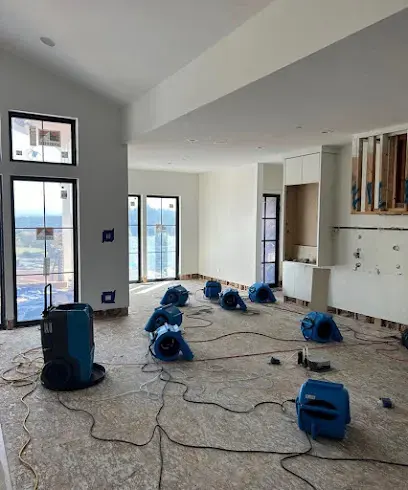 Structural Drying and DehumidificationAir movers and LGR dehumidifiers run until readings reach the drying goal.
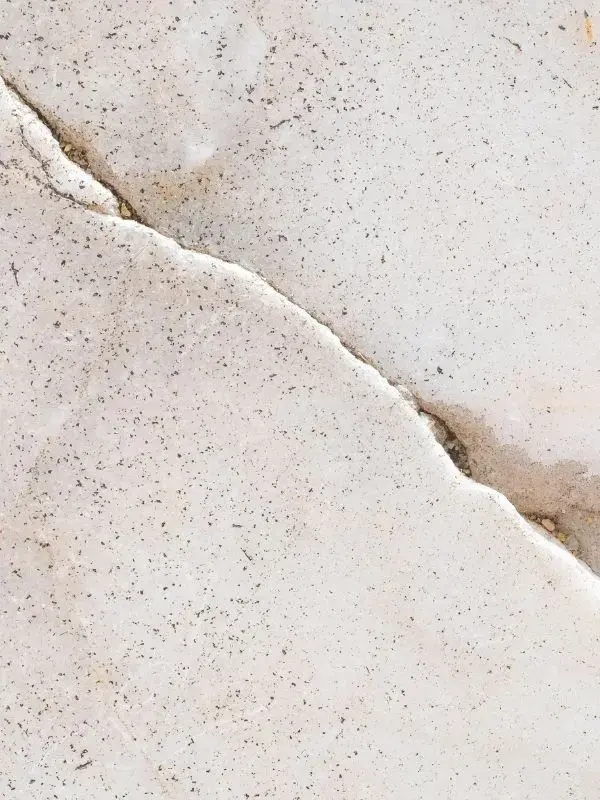 Slab Leak Water DamagePinholes in copper under 1950s and 1960s ranch slabs, traced with thermal imaging and dried.
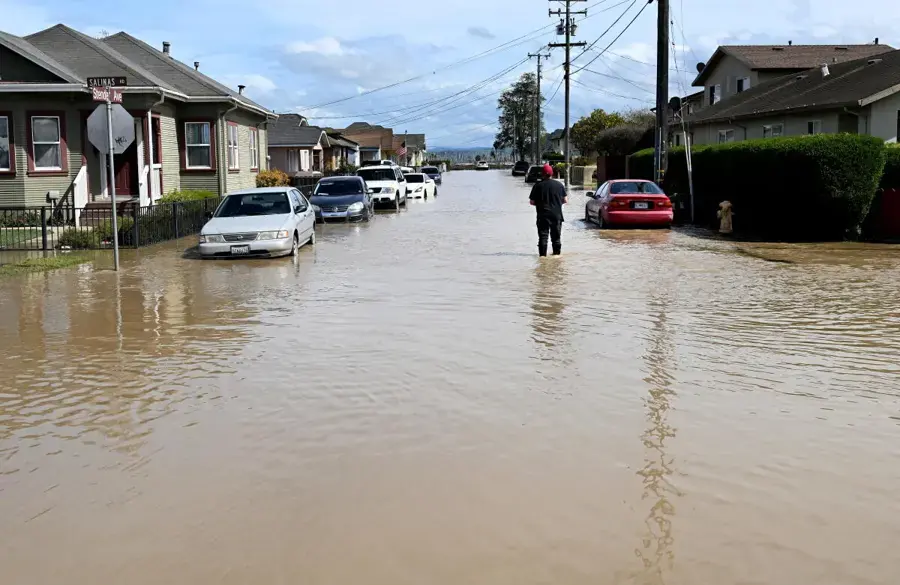 Storm Flood CleanupWinter storm runoff at door level on flat Valley streets, pumped out and cleaned.
Water extraction questions in Canoga Park
Can I just use a shop vacuum?
For a small spill, yes. For water across a room, a shop vacuum fills in minutes and leaves the pad and tack strip soaked. Truck-mounted extraction removes far more water per pass and pulls it out of the building.
Can wet carpet be saved?
Carpet soaked with clean water and extracted early often can be dried in place. The pad underneath usually comes out. Carpet touched by Category 3 water, like sewage or storm runoff, is removed.
How long does extraction take?
Extraction of one or two rooms usually takes a few hours. The drying that follows takes three to five days for a contained loss, longer for slab, hardwood or plaster.
Do baseboards have to come off?
Often, yes. Water hides behind baseboards and under toe kicks. Removing them lets air reach the bottom of the wall so it dries instead of trapping moisture.
Is water extraction covered by insurance?
Sudden and accidental water, like a burst supply line, is commonly covered, while outside flooding falls under flood coverage. Coverage depends on your policy, so it is worth checking with your own insurer.
What should I not do before extraction?
Do not use a household vacuum on water, do not walk through water near outlets, and do not pull up flooring before it is photographed for the claim file.
Standing water in a Canoga Park home?
The extraction crew pulls the water, the drying team sets the equipment, and every reading goes into your claim file.