Structural Drying and Dehumidification in Canoga Park, CA
Dry to the touch is not dry. Structural drying pulls water out of framing, slab, subfloor and drywall until the readings match dry material in the same building. The drying team logs it every day.
(888) 578-6508Need it dried right? Call now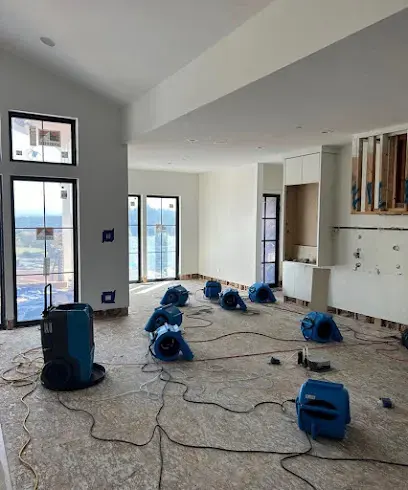
What to do while drying equipment runs
Leave the equipment on
Air movers and dehumidifiers work around the clock; switching them off resets progress.
Keep doors and windows as set
The drying team sets the room as a closed or open system on purpose.
Keep the thermostat steady
Warm, steady indoor air helps; avoid big swings unless the team asks for them.
Stay off wet flooring
Walking on wet carpet or plank pushes water deeper and damages it.
Let the readings decide
Equipment comes out when readings meet the goal, not on a set day.
What does structural drying cost in Canoga Park, CA?
In Canoga Park, CA, structural drying typically runs $1,000 to $6,000, depending on the number of rooms, the class of the loss and how many days of equipment it takes to reach the drying goal.
Class 1 or 2
$1,000 to $2,200- One or two rooms
- Air movers and one dehumidifier
- Three to four days
Class 3
$2,200 to $4,200- Walls, ceiling and floor wet
- Several dehumidifiers
- Daily psychrometric logs
Class 4
$4,200 to $6,000+- Slab, hardwood or plaster
- Desiccants and mats
- Extended drying
The drivers are the water category, the square footage, the material class and how fast drying started. For a planning range, try the water damage cost calculator.
How structural drying is handled in Canoga Park
- 1
Map
The tech maps moisture in every wet material and picks a dry reference.
- 2
Size
Air movers and dehumidifiers are sized to the class and the room volume.
- 3
Read daily
The drying team records material readings and air conditions every day.
- 4
Pull on readings
Equipment comes out when materials meet the drying goal.
Structural drying is the part of water damage restoration that decides whether the job is finished or just looks finished. Framing, subfloor, slab and the inside of walls can stay wet for weeks after the surface feels dry. Left that way, they swell, stain, smell and grow mold. The IICRC S500, the industry drying standard, sets how the work is measured.
How the drying plan is set
The tech who does the walkthrough maps moisture in every wet material and records a dry reference, the same material in an unaffected part of the building. Then the loss is classed:
- Class 1 and 2: a small area or one room with carpet and lower walls wet
- Class 3: water came from above and soaked walls, ceilings and floors
- Class 4: bound water in dense materials like slab, hardwood and plaster
The class sets how many air movers and how much dehumidification each room needs. Class 4 often calls for desiccant dehumidifiers and drying mats.
Daily readings and the drying goal
Every day, the drying team records material readings and the temperature and humidity of the air, called psychrometric readings, and adjusts equipment. The goal is for each wet material to read within 2 to 4 points of its dry reference. Equipment comes out on readings, not on a schedule. A contained Class 1 or 2 loss usually dries in three to five days; slab, hardwood and plaster take longer.
In Canoga Park, hot summer air holds a lot of moisture, so LGR dehumidifiers do the heavy lifting; in rainy winter weather, the building is kept closed and dehumidified. See slab leak water damage and hardwood floor drying for Class 4 losses.
Where structural drying is handled around Canoga Park
The Canoga Park restoration crew works ZIP codes 91303 and 91304, from Old Town and the Sherman Way corridor to the ranch streets of North Canoga Park, plus West Hills, Winnetka, Woodland Hills and Chatsworth next door.
See every neighborhood coveredRelated water damage services in Canoga Park
 Water Extraction and RemovalTruck-mounted extraction pulls standing water before it wicks into walls, cabinets and slab.
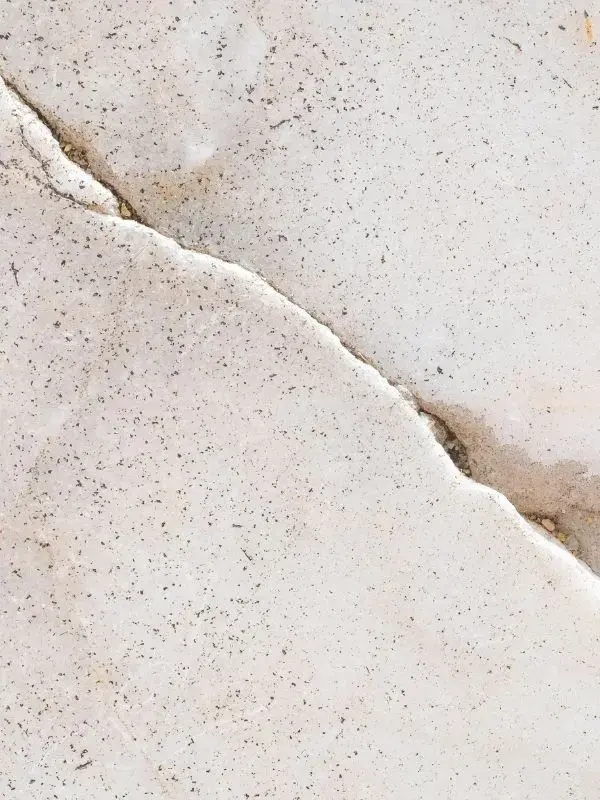 Slab Leak Water DamagePinholes in copper under 1950s and 1960s ranch slabs, traced with thermal imaging and dried.
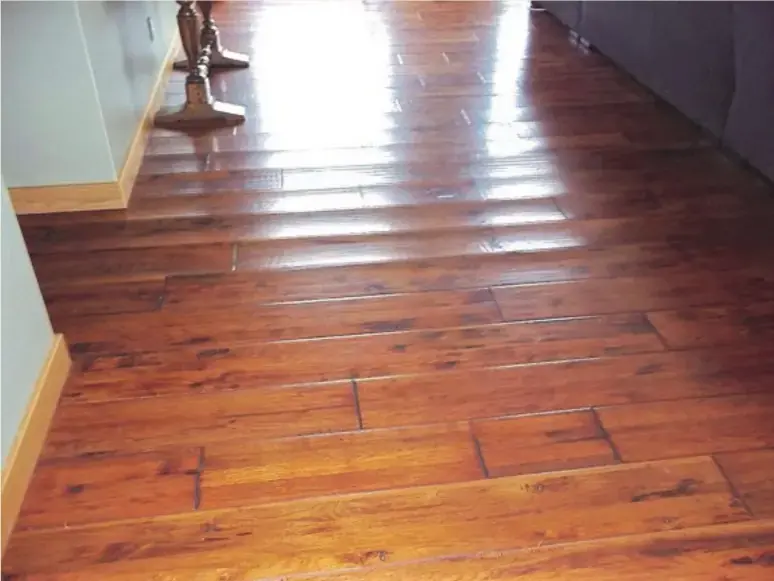
 Hardwood Floor Water DamageCupped or crowning wood floors dried with mats and dehumidifiers where they can be saved.
Structural drying questions in Canoga Park
What is the IICRC S500?
IICRC S500 is the industry drying standard for water damage restoration. It defines water categories, classes of loss and what dry means, measured against a dry reference material.
How is dry measured?
Each wet material is compared with the same material in an unaffected part of the building. It is dry when it reads within 2 to 4 points of that reference.
Why is the equipment so loud?
Air movers push a lot of air across wet surfaces to speed evaporation, and dehumidifiers run compressors. It is temporary and it is what gets the structure dry.
Can I turn the equipment off at night?
Please do not. Drying works around the clock, and switching off lets moisture settle back into the materials.
How long does structural drying take?
Three to five days is typical for a contained loss. Class 4 materials like slab, hardwood and plaster take longer.
What is an LGR dehumidifier?
A low grain refrigerant dehumidifier pulls more water out of the air than a household unit, even when the air is already fairly dry.
Need a Canoga Park home dried to the standard?
The drying team maps every wet material, sizes the equipment and logs readings daily until the structure meets the S500 goal.