Apartment and Condo Water Damage in Canoga Park, CA
Garden apartments and condos line Sherman Way, Vanowen and Topanga Canyon. One failed supply line upstairs can wet two or three units. The restoration team maps every affected unit and dries each one to the same standard.
(888) 578-6508Leak from the unit above? Call now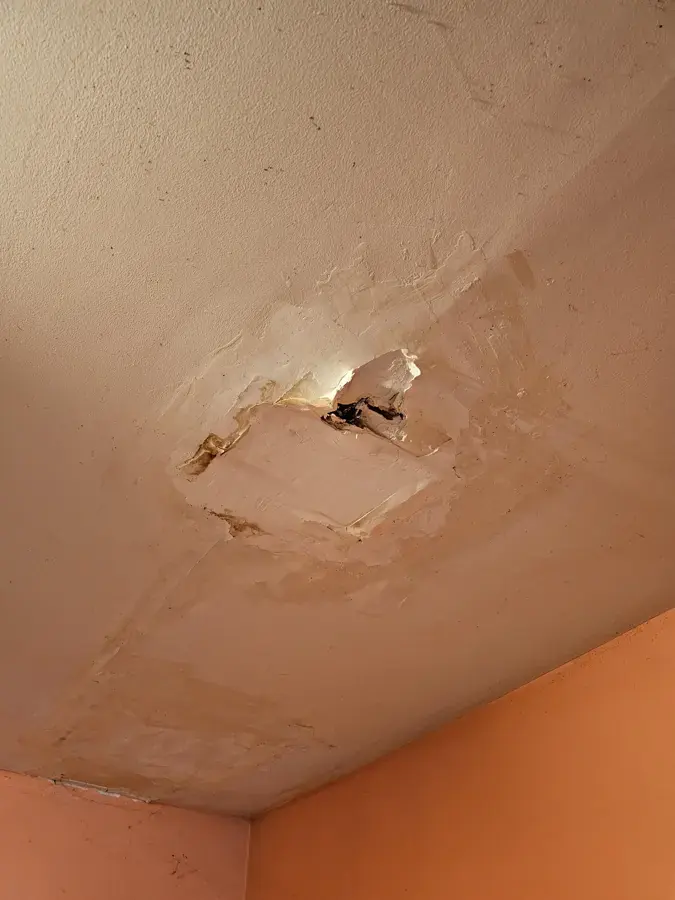
First steps when water comes from another unit
Warn the neighbor
Knock on the unit above or beside and ask them to shut off the fixture or their unit valve.
Tell the manager
Call the property manager or the association so the building shutoff can be reached.
Kill wet circuits
Turn off breakers for rooms with water in the ceiling or light fixtures, from a dry spot.
Photograph with times
Shoot the stain, drips and wet belongings in every room, with the phone clock visible.
Protect belongings
Move electronics, papers and furniture away from the drip line and catch water in bins.
What does apartment water damage cost in Canoga Park, CA?
In Canoga Park, CA, apartment and condo water damage typically runs $1,200 to $10,000 or more, depending on how many units are affected, the water category and how much ceiling and wall has to be opened.
One unit, clean water
$1,200 to $3,000- Ceiling or wall stain
- Small access openings
- Three to four days of drying
Two units
$3,000 to $6,500- Unit above and below
- Ceiling drywall removed
- Two drying logs
Three units or more
$6,500 to $10,000+- Stacked or side-by-side units
- Containment where needed
- Per-unit documentation
The drivers are the water category, the square footage, the material class and how fast drying started. For a planning range, try the water damage cost calculator.
How apartment water damage is handled in Canoga Park
- 1
Trace
The tech checks the units above, below and beside with meters and thermal imaging.
- 2
Stop and extract
The source is isolated and standing water is pulled out of each unit.
- 3
Open and dry
Wet ceiling and wall sections are opened and dried with air movers and dehumidifiers.
- 4
Log per unit
Daily readings are recorded unit by unit until every space meets the drying goal.
Canoga Park has a large share of renters, and many of them live in two and three-story garden apartment and condo complexes built between the 1960s and the 1980s along Sherman Way, Vanowen Street, Owensmouth Avenue and Topanga Canyon Boulevard. In those buildings, water from a failed toilet supply, a washer hose or a water heater upstairs travels along joists and pipe chases before it shows up as a stain one or two units away.
Why the source is not always above the stain
Water follows gravity and framing, not floor plans. A leak in a bathroom can surface in the kitchen ceiling of the unit below or down a shared wall next door. The tech who does the walkthrough confirms the source before anything is opened, checking:
- The units directly above, below and beside the stain
- Shared plumbing walls, pipe chases and water heater closets
- Roof drains, balcony drains and AC condensate lines on the top floor
One standard, one log per unit
Each affected unit gets its own moisture map, its own equipment plan and its own daily readings. That matters because different parties are usually involved: the building owner or association, the tenant or owner upstairs, and the renter or condo owner below each carry different coverage. A clean per-unit record helps every adjuster see exactly what was wet and when it was dry. Drying follows the IICRC S500, and equipment leaves each unit only when its readings meet the goal.
If the water came from a toilet or drain, it may be Category 2 or 3. The sewage backup cleanup page covers how contaminated water is handled, and the ceiling leak page covers opening and drying ceilings.
Renters, owners and associations
Who pays depends on the cause and the policies involved. Renters insurance usually covers a tenant's belongings, the association or owner policy covers the building, and the unit above may be responsible if negligence caused the leak. The California Department of Insurance explains renters and condo coverage, and California HCD publishes housing information for tenants and owners.
Where apartment water damage is handled around Canoga Park
The Canoga Park restoration crew works ZIP codes 91303 and 91304, from Old Town and the Sherman Way corridor to the ranch streets of North Canoga Park, plus West Hills, Winnetka, Woodland Hills and Chatsworth next door.
See every neighborhood coveredRelated water damage services in Canoga Park
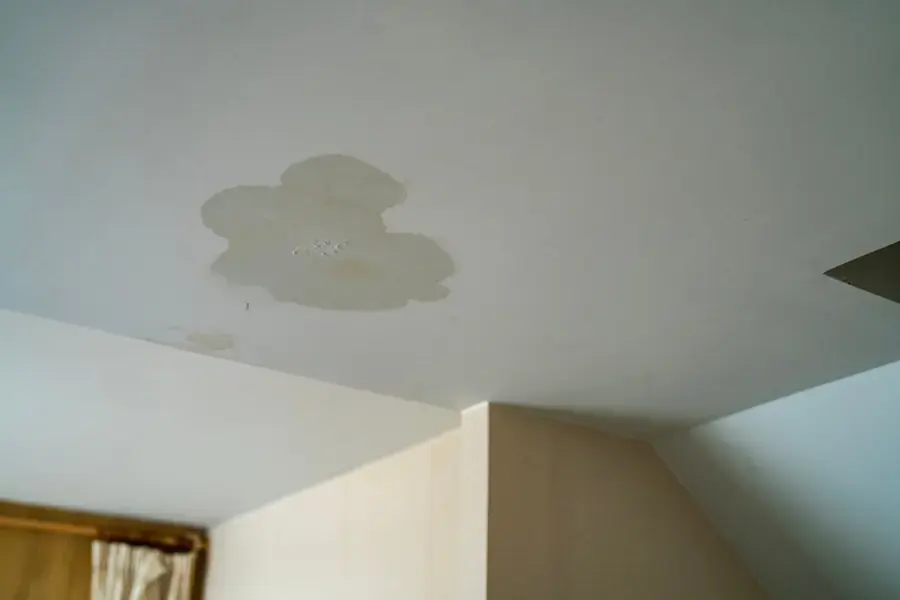 Ceiling Leak Water DamageA bathroom or line above lets go, and the ceiling below is opened and dried.
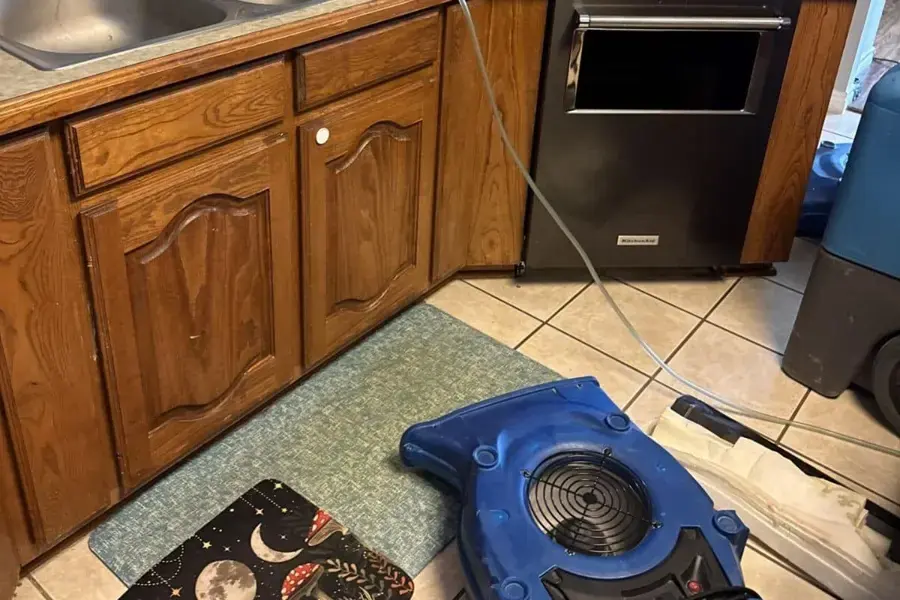 Appliance and Supply Line LeaksWasher hoses, fridge lines, dishwasher feeds and toilet supplies that fail under pressure.
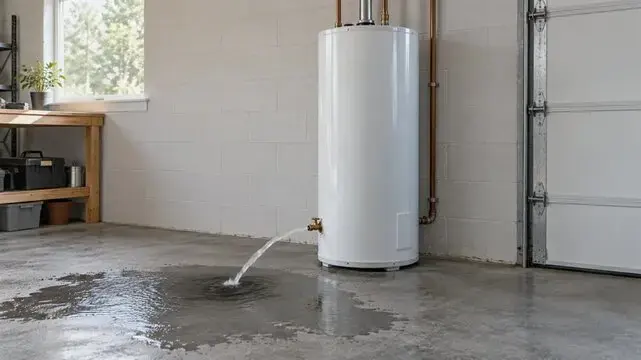 Water Heater Leak CleanupHard-water tanks that fail in garages and hall closets, caught before the slab soaks.
Apartment water damage questions in Canoga Park
Who is responsible for water from the unit above?
It depends on the cause and the policies involved. The upstairs occupant, the building owner or association, and your own renters or condo policy each cover different parts. A per-unit moisture map helps every party.
Should I wait for the building manager?
Tell the manager right away, but protect yourself too: turn off wet circuits, move belongings and photograph the damage. Drying that starts early keeps the loss smaller for everyone.
Can the ceiling be dried without replacing it?
Sometimes. A small clean-water stain caught early can be dried through access holes. Sagging drywall, wet insulation above, or dirty water means the ceiling section comes down.
How do you find a leak between floors?
Thermal imaging shows the cool band wet material leaves, and meters confirm it. The tech checks units above, below and beside before anything is opened.
Does each unit really need its own log?
Yes. Each unit may fall under a different policy. Separate readings show exactly what was wet in each space and when it met the drying goal.
What if the water is dirty or smells?
Water from a toilet, drain or sewer line may be Category 2 or 3. Keep people and pets away from it; porous materials it touched are usually removed, not dried.
Water coming through from another unit?
The restoration team traces the source across units, dries each one to the S500 goal and keeps a separate record for every party.