Storm Flood Cleanup in Canoga Park, CA
When a winter atmospheric river stalls over the West Valley, flat streets and storm drains back up and runoff reaches door level. The response team pumps it out, removes what it touched and dries the structure.
(888) 578-6508Runoff inside? Call for pump-out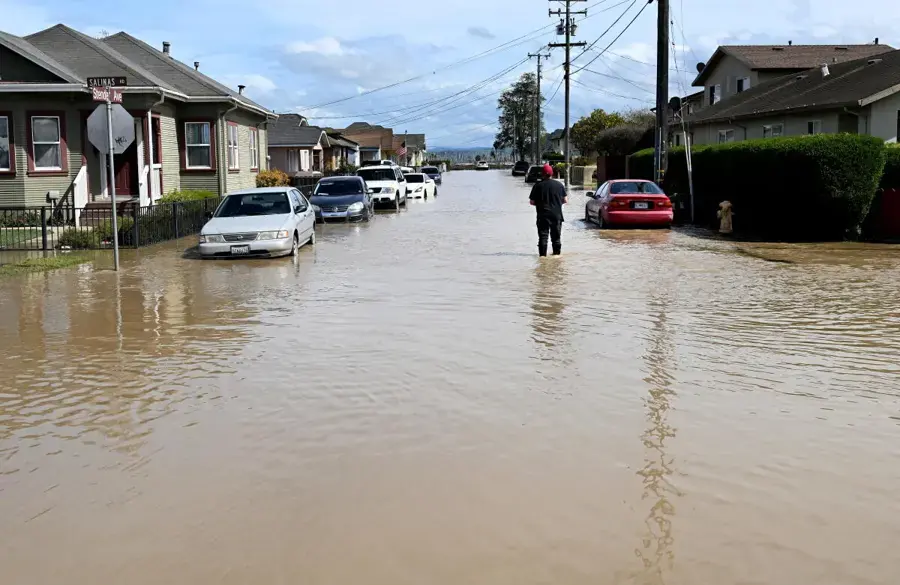
First steps when storm water gets inside
Stay safe
Never drive or walk through moving water, and stay out of rooms where water reaches outlets.
Kill the power
Turn off breakers for flooded rooms only if the panel is dry and you are standing on a dry floor.
Block and divert
Sandbags or a rolled towel at the door slow new water while rain continues.
Photograph it
Shoot the water line on walls, the street and every wet room before cleanup.
Call once it is safe
Pump-out and drying start as soon as the water stops rising.
What does storm flood cleanup cost in Canoga Park, CA?
In Canoga Park, CA, storm flood cleanup typically runs $2,500 to $15,000 or more, depending on the depth of the water, how many rooms it reached and how much drywall and flooring have to come out.
Garage or one room
$2,500 to $5,000- Shallow runoff
- Flooring and baseboard removed
- Cleaning and drying
Several rooms
$5,000 to $10,000- Flood cut on lower drywall
- Mud removal
- Antimicrobial treatment
Whole ground floor
$10,000 to $15,000+- Deep water
- Cabinets and doors affected
- Extended drying
The drivers are the water category, the square footage, the material class and how fast drying started. For a planning range, try the water damage cost calculator.
How storm flood cleanup is handled in Canoga Park
- 1
Pump out
Submersible pumps and truck-mounted extraction remove the standing water.
- 2
Remove
Mud, debris and porous materials the runoff touched are removed.
- 3
Clean and treat
Surfaces are cleaned and treated with an EPA-registered antimicrobial.
- 4
Dry and verify
The drying team runs equipment until readings meet the S500 goal.
Canoga Park is where the Los Angeles River begins: Bell Creek and Arroyo Calabasas meet behind Canoga Park High School and run east as a concrete channel. Most of the year they carry a trickle. In a winter atmospheric river they run fast, and the flat, paved Valley floor sends runoff into streets whose storm drains cannot keep up. Low driveways, converted garages and back units are where water gets in first.
Why flood water is Category 3
Runoff from the street carries soil, oil, lawn chemicals and sewage from overloaded lines. The IICRC S500 classes it as Category 3, so the plan looks like a sewage job:
- Standing water and mud are pumped and shoveled out
- Carpet, pad, lower drywall and insulation the water touched are removed
- Surfaces are cleaned and treated with an EPA-registered antimicrobial before drying
Drying after a storm
Storm losses often hit several homes on the same street at once, and humid, rainy weather slows evaporation. LGR dehumidifiers matter more here than air movers alone. The drying team runs equipment until framing and slab read within 2 to 4 points of a dry reference, and logs every reading for the claim file.
Storm forecasts for the Valley come from the National Weather Service Los Angeles office, and LA County Public Works runs the flood control channels. If a sewer line backed up during the storm, see sewage backup cleanup.
Flood coverage is separate
Rising surface water is excluded from most homeowner policies and falls under flood insurance, while rain coming through a damaged roof is usually treated differently. Coverage depends on your policy, so it is worth checking with your own insurer.
Where storm flood cleanup is handled around Canoga Park
The Canoga Park restoration crew works ZIP codes 91303 and 91304, from Old Town and the Sherman Way corridor to the ranch streets of North Canoga Park, plus West Hills, Winnetka, Woodland Hills and Chatsworth next door.
See every neighborhood coveredRelated water damage services in Canoga Park
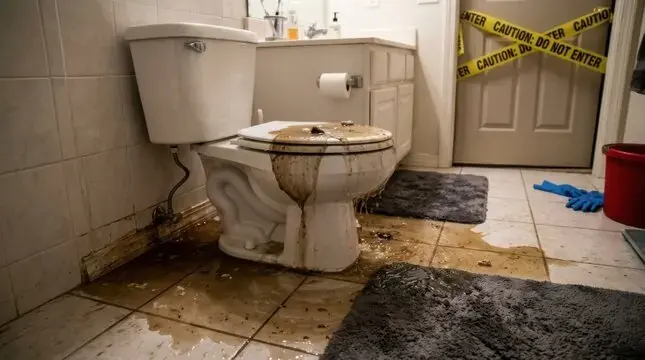 Sewage Backup CleanupCategory 3 backups from root-damaged laterals, contained, removed and treated.
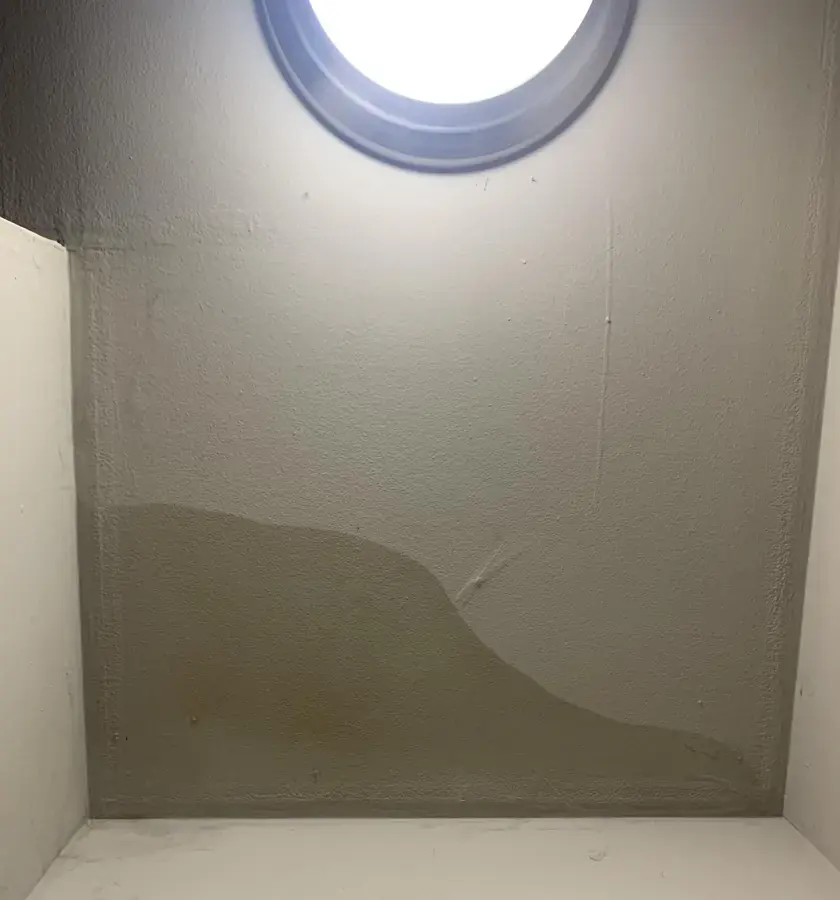 Roof Leak Water DamageSun-baked roofs that give way in the first big storm, dried from attic to floor.
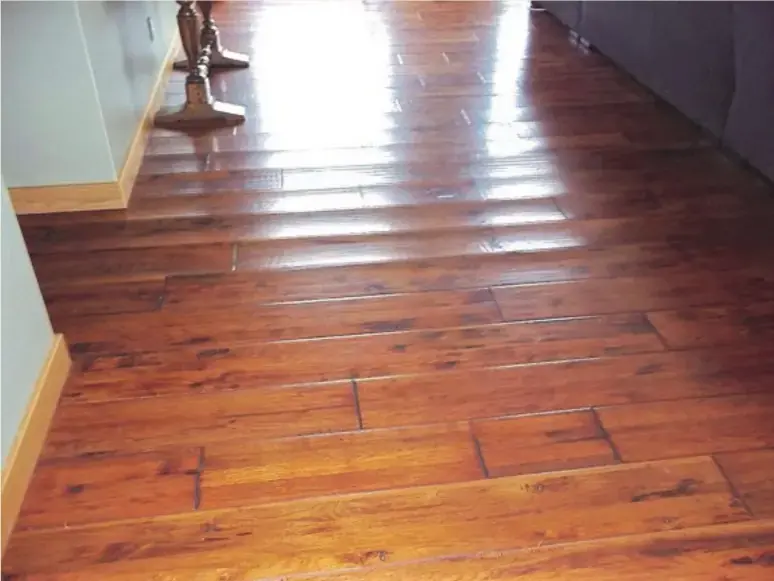 Water Extraction and RemovalTruck-mounted extraction pulls standing water before it wicks into walls, cabinets and slab.
Storm flood cleanup questions in Canoga Park
Is storm water really as bad as sewage?
For cleanup purposes, yes. Runoff from the street is Category 3 because it carries soil, chemicals and often sewage. Porous materials it touched are removed.
Which Canoga Park homes flood most?
Homes with low driveways, converted garages, back units below street level and properties near the Bell Creek and Arroyo Calabasas channels see water first.
Can I start cleanup while it is still raining?
Only if it is safe. Keep power off in wet rooms and do not wade through water. Pump-out starts once the water stops rising.
Does homeowners insurance cover storm flooding?
Rising surface water usually falls under flood insurance, not a standard policy. Coverage depends on your policy, so it is worth checking with your own insurer.
How long does drying take after a flood?
Often five to seven days after removal, longer in wet weather or where slab and framing soaked for a long time.
What should I throw out?
Food, medicine and cosmetics the water touched, and soaked mattresses, upholstery, carpet and pad. Photograph everything for the claim before discarding it.
Storm water inside a Canoga Park home?
Once the water stops rising, the response team pumps it out, removes what it touched and dries the structure to the S500 goal.