Sewage Backup Cleanup in Canoga Park, CA
Sewage is Category 3 water the moment it backs up. Old clay and cast-iron laterals under mature trees fail across Canoga Park. The mitigation team contains the area, removes what it touched and treats it before drying.
(888) 578-6508Sewage coming up? Call for cleanup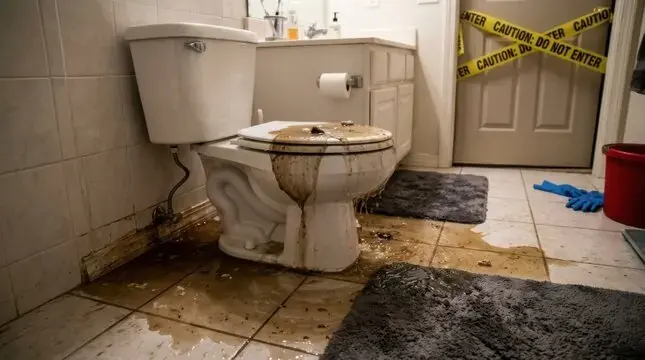
First steps when sewage backs up
Stop using water
Stop flushing, running sinks, the dishwasher and the washer; every gallon goes to the lowest drain.
Keep everyone out
Keep kids, pets and anyone with a weak immune system away from the area.
Kill wet circuits
Turn off breakers for affected rooms from a dry panel.
Do not clean it yourself
Household cleaners and a mop spread contamination into grout, pad and drywall.
Photograph it
Shoot the water line and the affected rooms before anything is removed.
What does sewage backup cleanup cost in Canoga Park, CA?
In Canoga Park, CA, sewage backup cleanup typically runs $2,000 to $12,000 or more, depending on the affected square footage, how much porous material has to be removed and whether the backup reached walls.
Small backup
$2,000 to $4,000- One bathroom or laundry
- Flooring removed
- Antimicrobial and drying
Several rooms
$4,000 to $8,000- Carpet, pad and baseboard out
- Lower drywall flood cut
- Containment and scrubbers
Large or multi-unit
$8,000 to $12,000+- Ground floor of a building
- Several units affected
- Extended containment
The drivers are the water category, the square footage, the material class and how fast drying started. For a planning range, try the water damage cost calculator.
How sewage backup cleanup is handled in Canoga Park
- 1
Contain
The mitigation team sets poly containment and negative air with HEPA scrubbers.
- 2
Remove
Sewage is extracted and porous materials it touched are bagged and removed.
- 3
Treat
Hard surfaces are cleaned and an EPA-registered antimicrobial is applied at its dwell time.
- 4
Dry and verify
The structure is dried to the S500 goal and readings are logged.
Across Canoga Park, the sewer lateral that runs from the house to the street main is often decades-old clay or cast iron. Roots from mature street trees work into the joints, grease and wipes catch on them, and one day the lowest drain in the house, a shower, a floor drain or a ground-floor toilet, starts backing up. In apartment buildings along Sherman Way and Vanowen, a shared line can back up into several ground-floor units at once.
Why sewage is handled differently
The IICRC S500 classifies sewage as Category 3, grossly contaminated water that can carry bacteria, viruses and parasites. That changes the whole job:
- Porous materials it touched, such as carpet, pad, lower drywall and insulation, are removed, not dried
- The area is contained with poly sheeting and kept under negative air with HEPA air scrubbers
- Crews wear PPE: at minimum gloves, eye protection, a respirator and a disposable suit
How the cleanup works
After extraction and removal, hard surfaces and framing are cleaned and treated with an EPA-registered antimicrobial applied at the label dwell time. Only then does drying start. Air movers and dehumidifiers run until the framing and slab meet the drying goal, and every step is photographed and logged for the claim file.
A plumber clears or repairs the lateral; a camera inspection shows roots, breaks or a sag. The EPA page on sewer overflows explains the health risks, and LA Sanitation handles problems in the public main.
Coverage for sewer backups
Many homeowner policies exclude sewer backup unless an endorsement was added. Coverage depends on your policy, so it is worth checking with your own insurer. See storm flood cleanup if the backup came with street flooding.
Where sewage backup cleanup is handled around Canoga Park
The Canoga Park restoration crew works ZIP codes 91303 and 91304, from Old Town and the Sherman Way corridor to the ranch streets of North Canoga Park, plus West Hills, Winnetka, Woodland Hills and Chatsworth next door.
See every neighborhood coveredRelated water damage services in Canoga Park
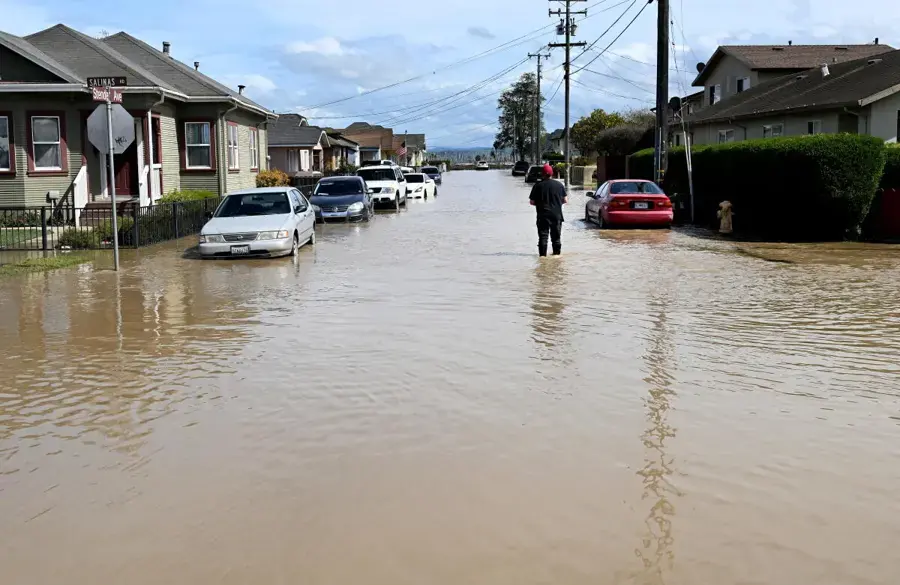 Storm Flood CleanupWinter storm runoff at door level on flat Valley streets, pumped out and cleaned.
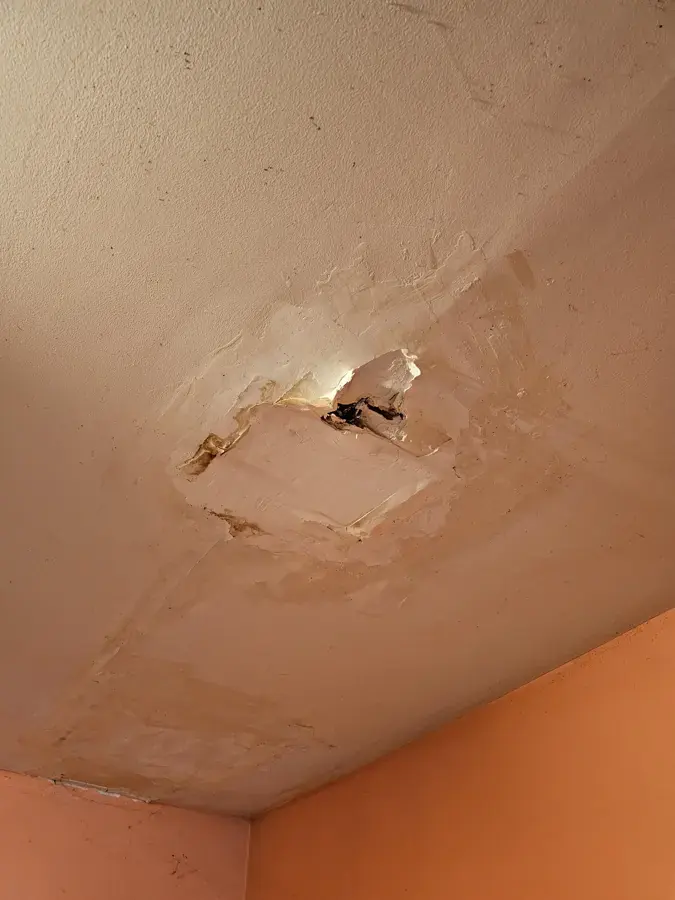 Apartment and Condo Water DamageLeaks that cross from one unit to the next, mapped unit by unit with a separate drying log.
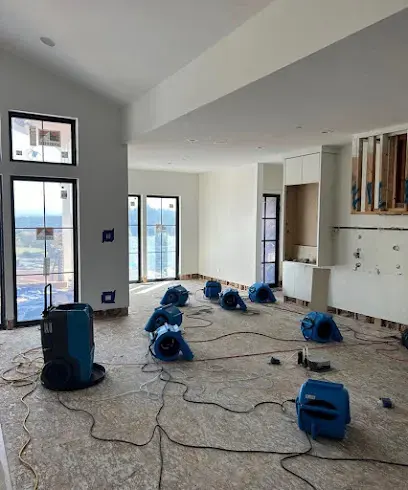 Structural Drying and DehumidificationAir movers and LGR dehumidifiers run until readings reach the drying goal.
Sewage backup cleanup questions in Canoga Park
Can sewage-soaked carpet be cleaned?
No. Carpet and pad touched by sewage are removed. The IICRC S500 treats porous materials touched by Category 3 water as unsalvageable.
Is it safe to stay in the house?
Stay out of the affected area, and keep children, pets and anyone with health concerns away. If the only bathroom is affected, plan to stay elsewhere until cleanup is done.
What causes sewer backups in Canoga Park?
Tree roots in old clay or cast-iron laterals, grease and wipes, and heavy winter storms that overload the system are the common causes.
Who fixes the sewer line?
A plumber clears or repairs the private lateral. Problems in the public main are handled by LA Sanitation. The restoration team handles the cleanup inside.
Is sewage backup covered by insurance?
Often only with a sewer backup endorsement. Coverage depends on your policy, so it is worth checking with your own insurer.
What is an EPA-registered antimicrobial?
A cleaning product registered with the EPA for use against microorganisms. It is applied to cleaned surfaces and left for its label dwell time before drying starts.
Sewage in a Canoga Park home?
The mitigation team contains the area, removes what the sewage touched, treats every surface and dries the structure to the S500 goal.