Burst Pipe Cleanup in Canoga Park, CA
A supply pipe under full pressure can move hundreds of gallons an hour. In older Canoga Park homes, galvanized and copper lines give way inside walls and ceilings. The extraction crew pulls the water and dries the cavity it filled.
(888) 578-6508Pipe let go? Get the water out now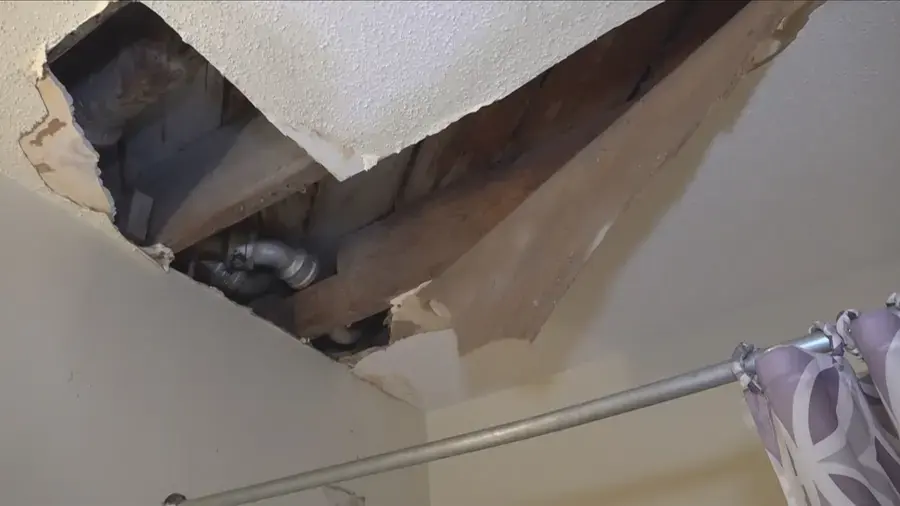
First steps after a pipe bursts
Shut the main
Close the main valve right away; in many Canoga Park homes it sits near the front hose bib or at the curb meter.
Open a low faucet
Open a faucet at the lowest point to drain the pressure left in the lines.
Kill wet circuits
Switch off breakers for wet rooms and any ceiling with water in the light fixtures.
Photograph first
Shoot the pipe, the walls and every wet room before anything moves.
Call a plumber and the drying team
The plumber repairs the line; the drying team handles the water it left behind.
What does burst pipe cleanup cost in Canoga Park, CA?
In Canoga Park, CA, burst pipe cleanup typically runs $1,000 to $6,500, depending on how long the pipe ran, how many rooms and cavities got wet, and whether ceilings came down.
Caught fast
$1,000 to $2,200- One wall or room
- Access holes only
- Three to four days of drying
Wall and floor
$2,200 to $4,500- Flood cut on drywall
- Carpet pad or plank removed
- Daily readings
Ceiling and multiple rooms
$4,500 to $6,500+- Ceiling drywall removed
- Insulation pulled
- Several rooms dried
The drivers are the water category, the square footage, the material class and how fast drying started. For a planning range, try the water damage cost calculator.
How burst pipe cleanup is handled in Canoga Park
- 1
Stop and map
The water is off; the tech maps the reach of the leak with thermal imaging and meters.
- 2
Extract
The extraction crew pulls standing water from floors, carpet and pad.
- 3
Open the cavity
Access holes or a flood cut let air into the wet wall or ceiling.
- 4
Dry and verify
Air movers and dehumidifiers run until readings meet the drying goal.
Canoga Park does not get hard freezes, so a burst pipe here is usually about age and pressure, not ice. Galvanized steel supply lines in the oldest Owensmouth-era homes rust from the inside, and copper in post-war ranch homes thins at elbows and fittings. High street pressure without a working pressure regulator speeds both up. When a line splits inside a wall or ceiling, the damage spreads out of sight.
Why the wall cavity matters
Water from a burst line runs down the inside of the wall, soaks the insulation and the bottom plate, and wicks up the drywall on both sides. Surface drying leaves that cavity wet. The tech who does the walkthrough checks:
- Both faces of the wall with pinless meters and thermal imaging
- The bottom plate and baseboard, where water pools
- Ceilings below if the pipe ran through a second floor
How the cavity gets dried
Where drywall is only damp, the drying team drills small access holes behind the baseboard and pushes dry air into the cavity. Where drywall is soaked, sagging or the insulation behind it is wet, a flood cut removes the lower section so the framing can dry. Air movers and LGR dehumidifiers run until the framing and remaining drywall read within 2 to 4 points of a dry reference, per the IICRC S500.
If water sat for more than a day or two, it may have degraded to Category 2. See structural drying for how equipment is sized, and ceiling leak water damage if the pipe was overhead.
Preventing the next one
A plumber can test street pressure and fit or replace a pressure regulator. Knowing where the main shutoff is saves the most water when a line fails. The EPA WaterSense program has leak-checking tips, and the LADWP site covers service and meter questions for City of Los Angeles homes.
Where burst pipe cleanup is handled around Canoga Park
The Canoga Park restoration crew works ZIP codes 91303 and 91304, from Old Town and the Sherman Way corridor to the ranch streets of North Canoga Park, plus West Hills, Winnetka, Woodland Hills and Chatsworth next door.
See every neighborhood coveredRelated water damage services in Canoga Park
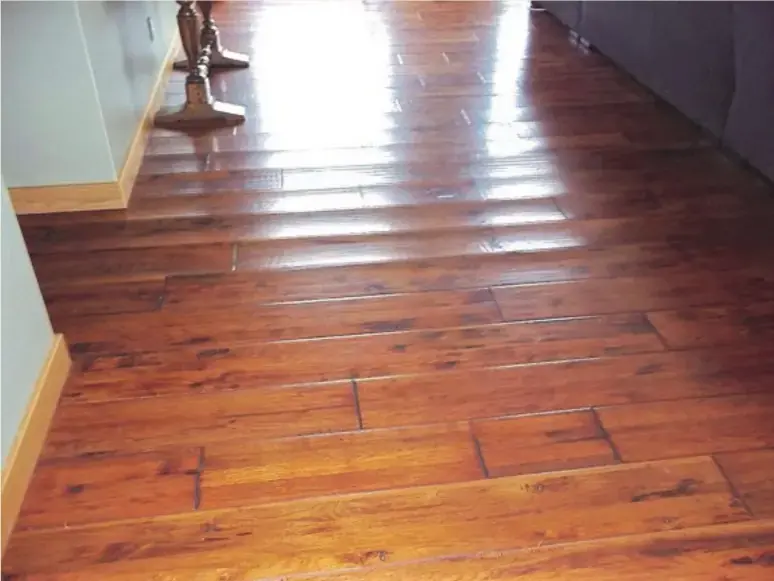 Water Extraction and RemovalTruck-mounted extraction pulls standing water before it wicks into walls, cabinets and slab.
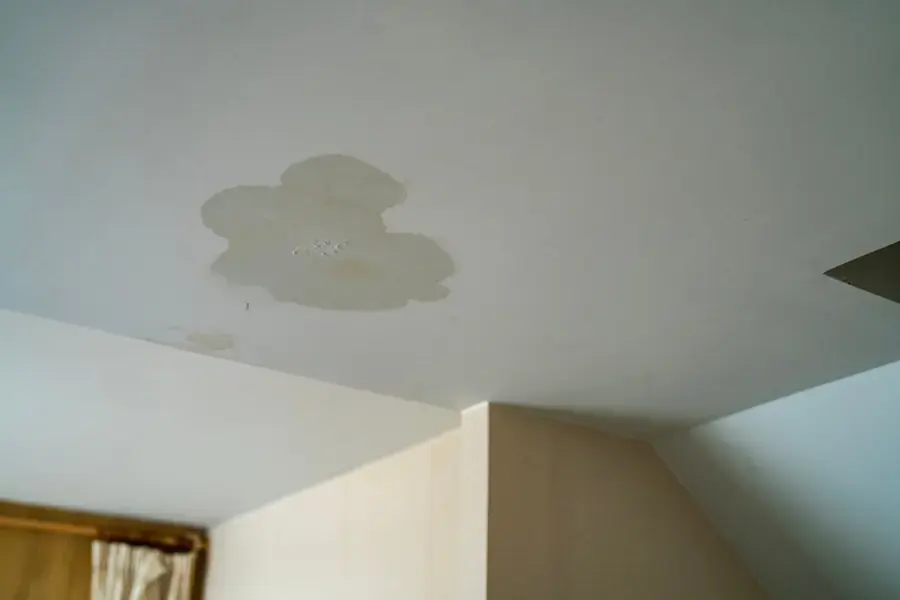 Ceiling Leak Water DamageA bathroom or line above lets go, and the ceiling below is opened and dried.
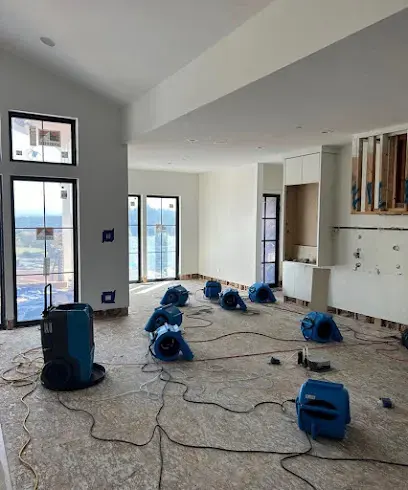 Structural Drying and DehumidificationAir movers and LGR dehumidifiers run until readings reach the drying goal.
Burst pipe cleanup questions in Canoga Park
Why do pipes burst in Canoga Park without freezing?
Age and pressure. Galvanized pipe rusts from the inside and copper thins at fittings over decades. High street pressure without a working regulator speeds up both.
Does the drywall always come out?
No. Damp drywall caught early is often dried in place through access holes. Soaked, sagging drywall or wet insulation behind it means a flood cut.
How long does drying take after a burst pipe?
A contained loss usually dries in three to five days. Multiple rooms, ceilings or a slab under the wet area take longer.
Should I wait for the plumber before calling?
No. Shut the main and call both. The plumber repairs the line while the extraction crew starts on the water it left behind.
Is burst pipe damage covered by insurance?
Sudden and accidental discharge from a supply line is commonly covered, while long-term seepage often is not. Coverage depends on your policy, so it is worth checking with your own insurer.
What documentation helps the claim?
Photos of the pipe and the wet rooms before work starts, the plumber's invoice, the moisture map and the daily drying readings.
A pipe just gave way in Canoga Park?
Shut the main, then call. The extraction crew pulls the water and the drying team dries the wall cavity it filled.